
When the Sky Turns Green: Real Lightning Protocols
Lightning is one of the biggest natural killers in the mountains, and often people rely on outdated or dangerous myths for shelter. Here's what actually works when you hear thunder.
Written by David Rodgers — October 3, 2026
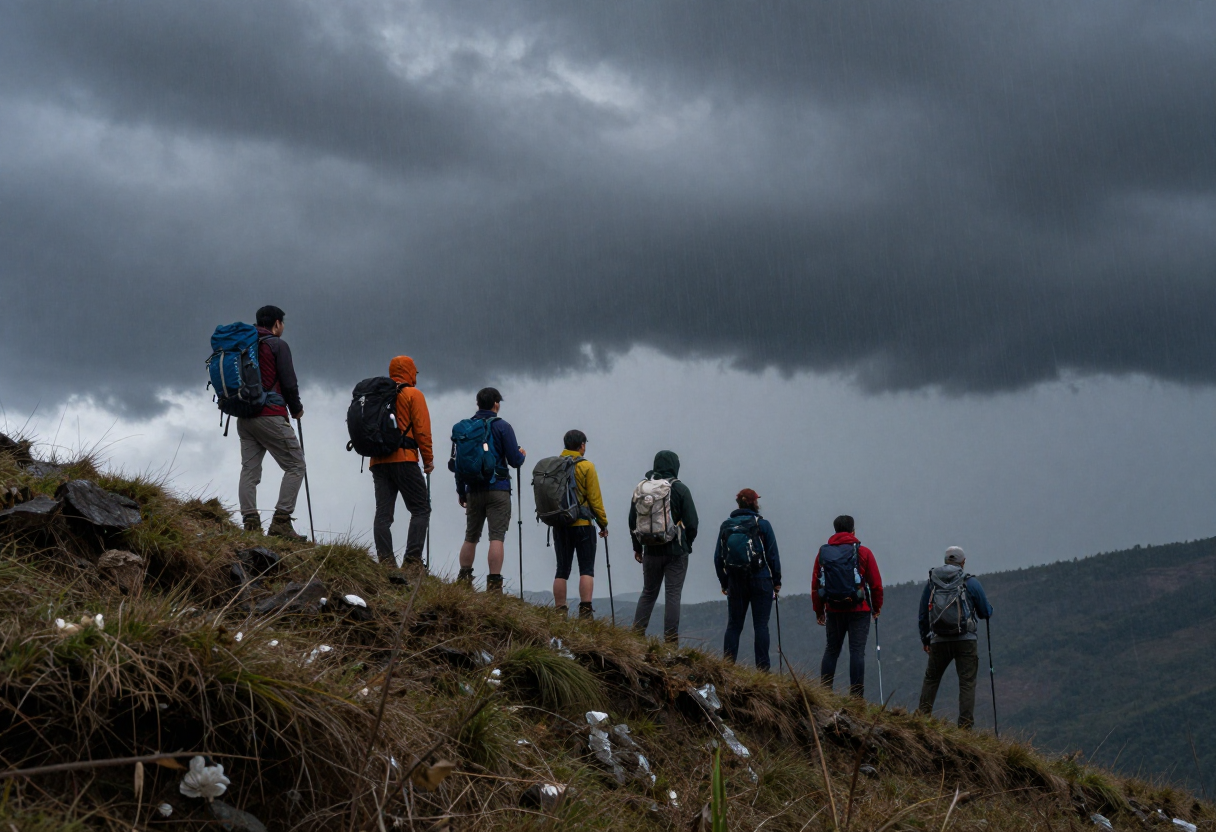
First, let's talk about what not to do.
There’s a lot of old advice floating around that can actually get you hurt because it treats lightning like a choice the bolt makes rather than a physical discharge seeking the easiest path to ground. One of the biggest myths is that taking shelter under a lone tree or in a rocky overhang provides safety. It doesn't. A tall, isolated tree acts as a natural lightning rod; if it gets hit, the electricity will jump from the tree to anything nearby—including you. Another common mistake is thinking metal gear like trekking poles or pack frames can be "shielded." Metal isn't going to block the strike; it just becomes part of the circuit. If you’re holding a pole when a strike occurs, that energy travels through the metal and into your hands. Finally, don't assume crouching under something will protect you. Unless you are in an area where you literally cannot move because of geography, "hunkering down" is just making yourself a smaller target while staying in a high-risk zone.
The most important thing is prevention—avoiding danger entirely.
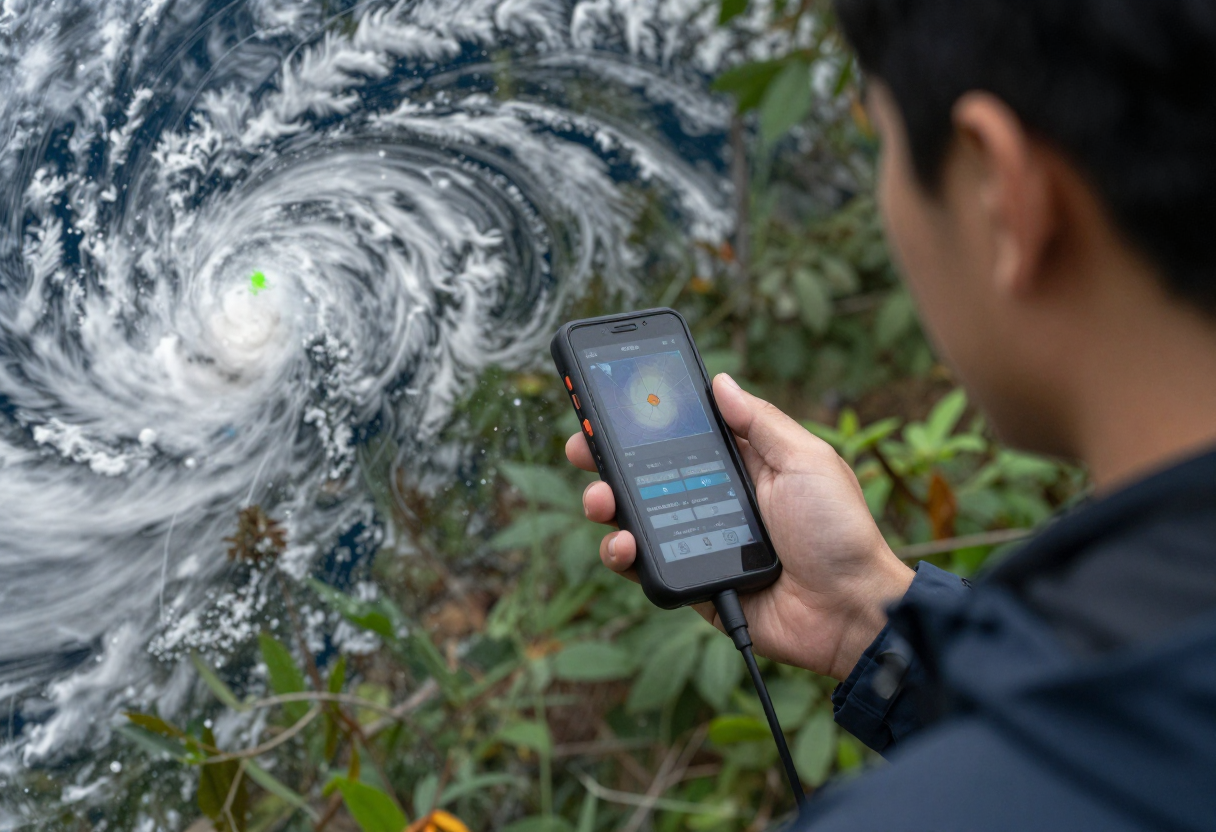
In my experience, the best way to handle lightning is to never be in a position where it becomes an immediate threat. This isn't about having the fanciest weather app; it’s about situational awareness and disciplined timing. In many high-altitude regions or open plains, afternoon thunderstorms are common enough that they should be factored into your trip plan before you ever lace up your boots. If the forecast calls for instability, you adjust your timeline to ensure you aren't on a ridge or an exposed peak during the typical "storm window." You have to learn to read the signs: darkening clouds building on the horizon, specific shifts in wind direction, or that heavy, charged feeling in the air before a cell breaks. If it looks like a storm is brewing, you turn back or move toward lower ground immediately. It’s much better to hike out early and get some extra coffee at your base than to be caught on an exposed face when the sky starts to crack.
When the lightning gets close, how do you actually react?
If you find yourself in a situation where the weather turns fast and you're caught in an exposed area, your priority shifts from "enjoying the view" to "getting off the target." The first thing you do is move away from high points. If you are on a ridge or a peak, get down into a drainage, a gorge, or onto the floor of a canyon as quickly as possible. You want to be at the lowest point available. Once you've reached lower ground, you need to minimize your contact with anything conductive. This means dropping your trekking poles and moving them away from your body, and if you have any metal frames on your pack that are external, they shouldn't be something you’re leaning against or gripping. If you are hiking in a group, stay together. You want to avoid being the "highest point" or the lone individual who stands out as an easy path for the electricity to ground itself.
The golden rule: Low and ready.
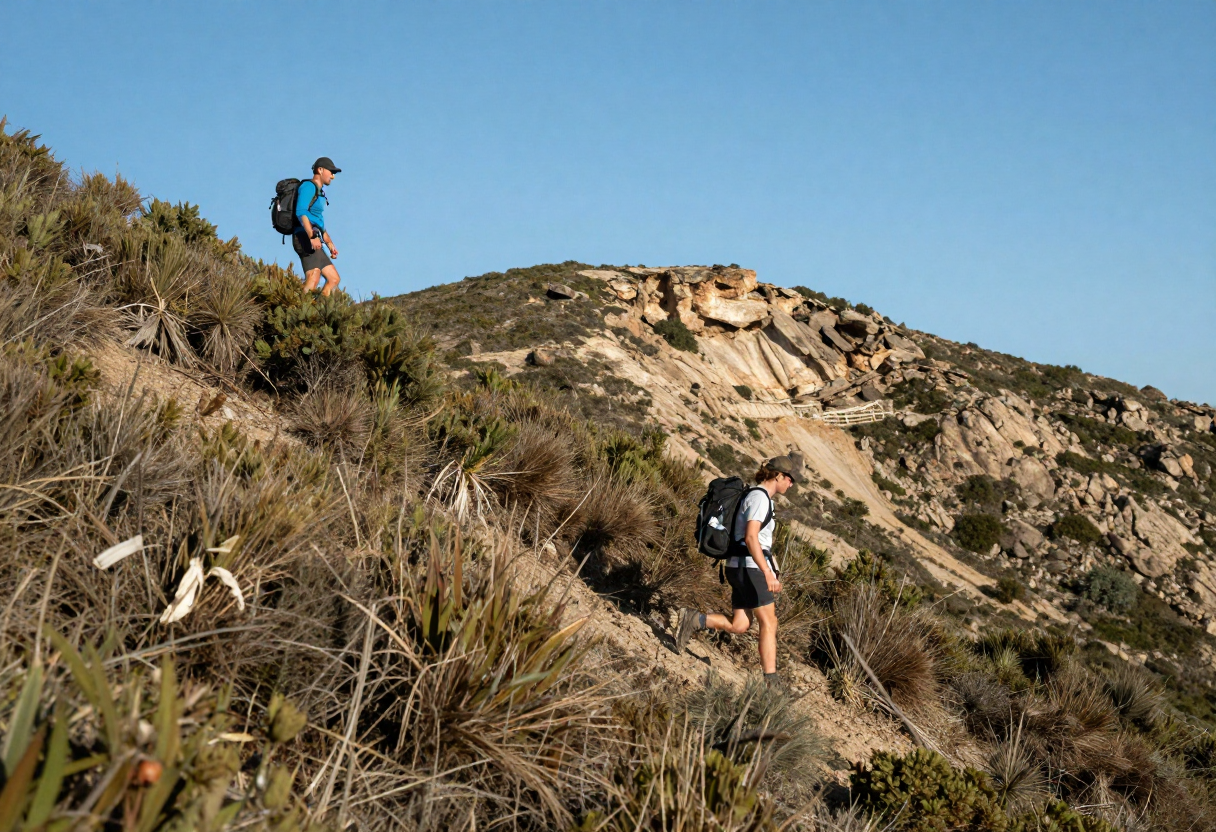
If all else fails and you are geographically trapped—meaning there is no lower ground to reach and you have to wait it out—the goal is to minimize your "profile." This doesn't mean just crouching; it means getting as low to the earth as possible while staying away from objects that could conduct electricity, like trees or tall rocks. You want to be in a position where you aren't offering an easy path for a strike. However, I cannot stress this enough: moving to lower ground is always superior to finding a "safe" spot on high ground. A "safety" tactic should only be used when movement is no longer an option. The logic here is simple—the higher and more isolated you are, the larger your target becomes for a strike. Stay low, stay off the peaks, and keep moving toward lower terrain until the cell passes. For specific safety guidelines regarding backcountry travel in your area, always check with your state's official wildlife or forestry agency.
Inspired by Backpacker Magazine.
About the Author
David Rodgers is the founder and writer behind Country Trailhead — a Marine Corps infantry veteran, Civil Air Patrol colonel, and Eagle Scout based in Oklahoma, drawing on decades of field-tested hunting, fishing, camping, and hiking experience. Read more about David and Country Trailhead →