
Trapped by Ice: Lessons from an Arctic Blizzard Survival Story
This isn't a story about big game hunting; it’s a deep dive into what happens when all your gear fails and you are left to rely on fundamental human survival skills in extreme cold.
Written by David Rodgers — October 6, 2026
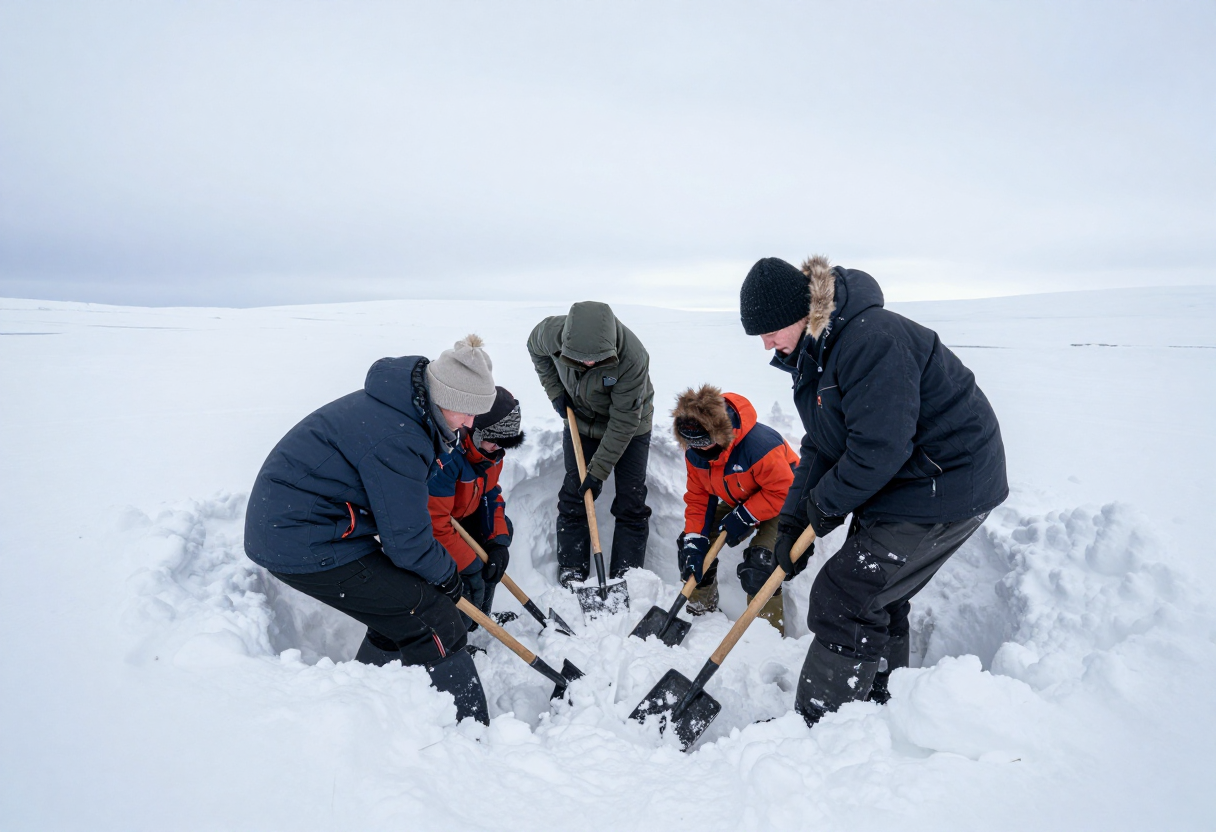
When a 'Bad Day Out' Becomes an Emergency
There is a significant difference between having a "bad day" and finding yourself in a life-threatening emergency. Most of us have had those days where the rain wouldn’t stop, our boots got soaked, or we realized we didn't pack enough snacks—it was miserable, but manageable. An emergency like an Arctic blizzard is different. It isn't just about discomfort; it’s about a rapid shift in environment where the elements are no longer a hurdle to overcome, but a direct threat to your safety.
When the wind picks up and visibility drops to zero, you have to move from "adventure mode" into "survival mode." In my experience, this means recognizing the moment when conditions exceed your current capabilities or gear limits. You stop trying to reach your destination and start focusing entirely on stabilization. It is a mental pivot: you accept that the original plan is over and the new goal is simply staying safe until the weather breaks or help arrives.
The Immediate Priority: Shelter Over Everything Else
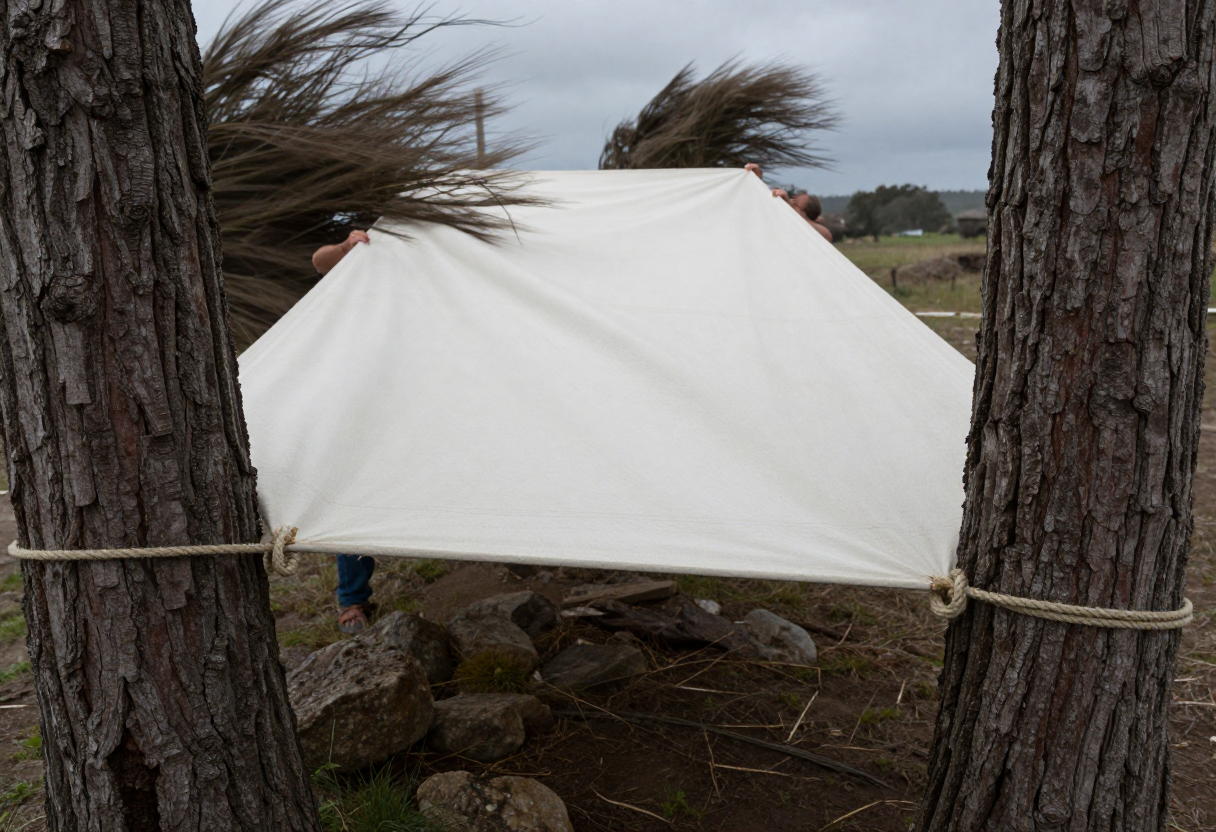
In extreme cold, your primary enemy is heat loss through convection—the wind stripping warmth from your body—and conduction. When a blizzard hits, movement should stop almost immediately to prioritize shelter construction. You don't have time for a perfect camp; you need something that breaks the wind and traps your body heat.
If snow is available, it is one of your best tools because it acts as an insulator. A well-constructed snow cave or a "snow trench" can hold enough warmth to keep your core temperature stable. If you're working with gear like tarps, don’t just throw them over your head; use them to create a multi-layered barrier against the wind. Even a small, enclosed space is better than being exposed. The goal here isn't comfort; it's creating an immediate microclimate where your body doesn't have to work overtime just to keep its core warm enough to function.
Energy Management: The Cold War for Calories
In sub-zero conditions, every movement has a cost. You are essentially in a "cold war" with your own metabolism. Every calorie you burn moving through deep snow or trying to build something complex is a calorie that isn't going toward maintaining your body heat. This makes resource management critical.
You have to be disciplined about how and when you move. If you exert yourself too much, you will sweat. In extreme cold, moisture is a liability; once those clothes get damp from sweat, they lose their insulating properties and can lead to rapid cooling. It is often better to stay still and eat small amounts of high-calorie food frequently than to burn through your energy reserves in one big push. You have to treat your physical energy like a fuel tank—if you spend it all trying to "push through" the weather, you won't have enough left to keep yourself warm when the sun goes down or the wind stays high for hours.
The Mind Game: Staying Clear-Headed When Exhausted
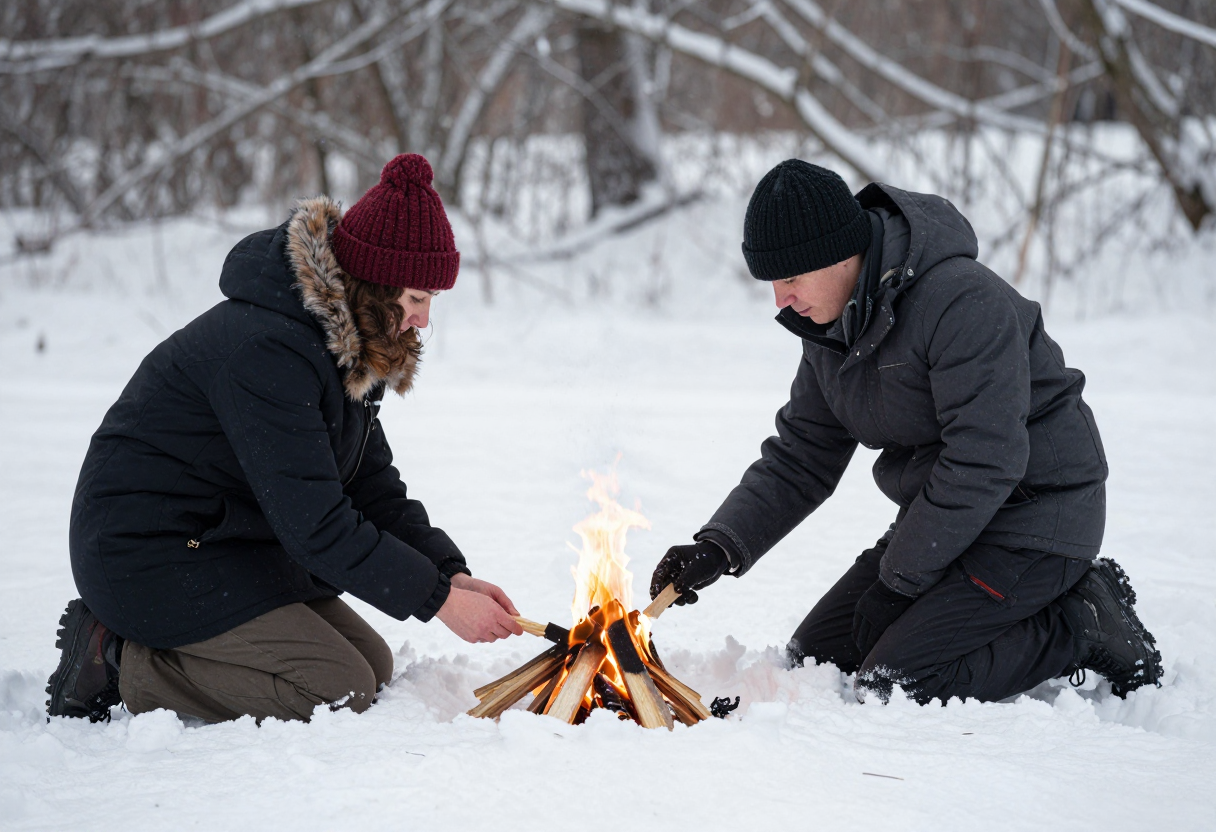
The most dangerous thing in an emergency is a panicked mind. As the temperature drops and fatigue sets in, your brain will naturally start to spiral into "what if" scenarios. This is where discipline becomes your best tool. You have to manage your psychological state by focusing on small, manageable tasks rather than the overwhelming reality of the situation.
Instead of worrying about how you'll get home or how long the storm will last, focus only on what needs to happen in the next ten minutes: "I need to clear this snow," or "I need to check my stove." Establishing a routine—even just checking your gear every hour or ensuring your shelter remains intact—provides a sense of purpose. Keeping your mind occupied with practical tasks prevents despair from taking root. You stay calm by staying busy, and you stay focused on the immediate next step rather than the daunting distance between where you are and where you want to be.
What to Do After You've Stabilized (The Next Steps)
Once you have secured a shelter and managed your initial energy output, the goal shifts toward stabilization and preparation for rescue. This is the phase of "waiting it out" properly. First, you need to establish your location as clearly as possible. If you are in a remote area, use high-visibility markers or signal devices like whistles and mirrors if they can be used effectively without compromising your position.
You should also map your resources: how much fuel do you have left? How many days of food can you realistically stretch out? Create a plan for staying put until conditions improve enough to move safely. If you are in an area where others might be looking for you, ensure your "base" is easy to find from the air or ground if possible. Because every region has different search and rescue protocols and varying weather risks, I always recommend checking your state’s official resources page before heading out into backcountry areas to understand local safety requirements and emergency procedures.
Inspired by Outdoor Life.
About the Author
David Rodgers is the founder and writer behind Country Trailhead — a Marine Corps infantry veteran, Civil Air Patrol colonel, and Eagle Scout based in Oklahoma, drawing on decades of field-tested hunting, fishing, camping, and hiking experience. Read more about David and Country Trailhead →