The Law on Baiting, Paying, and Wildlife Violations
Federal wildlife laws are complex, and a simple mistake can carry serious consequences. This issue covers core regulations regarding baiting and commercial operations that every outdoor enthusiast needs to understand.
Written by David Rodgers — September 29, 2026
The stakes: Why compliance matters more than any trophy or catch
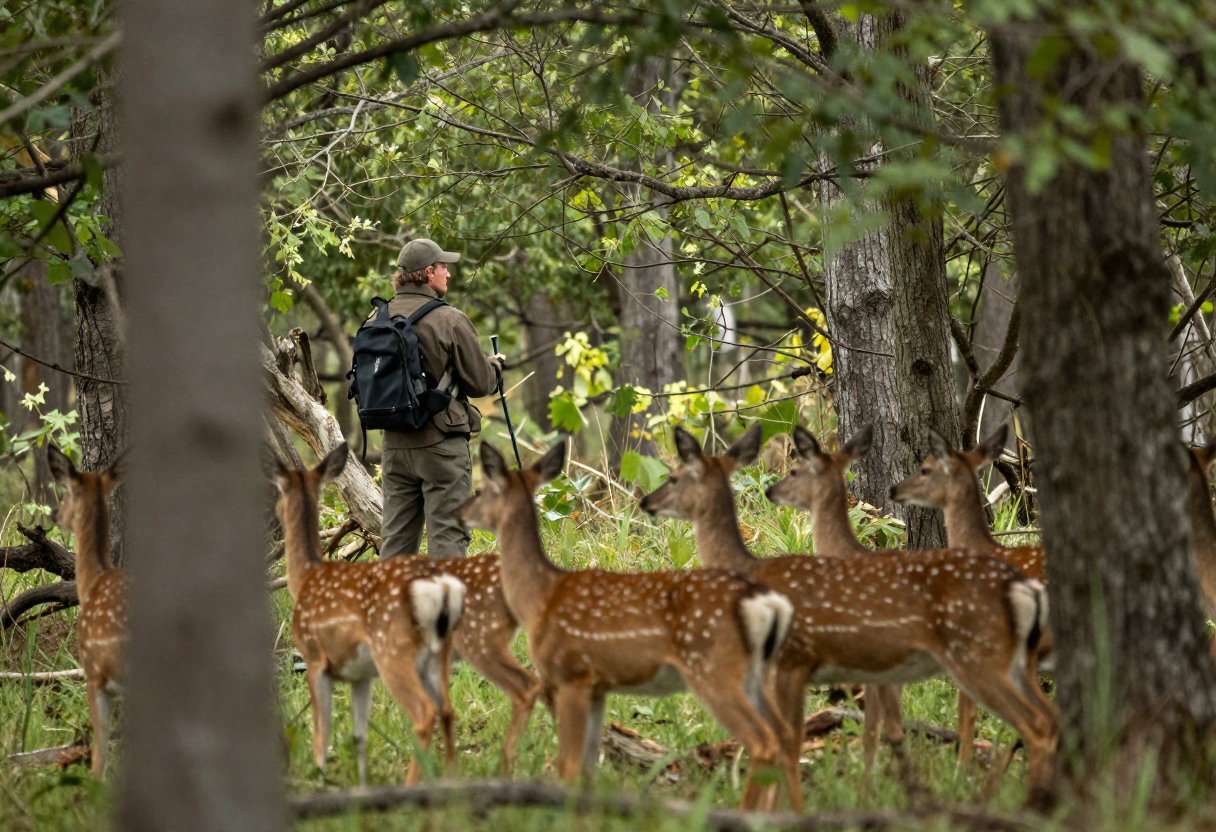
When you’re out on the water or in the woods, it’s easy to get tunnel vision. You’re focused on the next cast, the movement of a buck, or just getting through the day's hike. It is tempting to view regulations as mere "red tape" designed to slow things down. However, from my experience—both in uniform and out in the backcountry—rules aren't usually there for no reason. They exist because someone, somewhere, had to figure out how to keep these resources available for everyone else.
Compliance isn't just about avoiding a fine; it’s about the integrity of the sport. When we follow regulations regarding baiting and commercial operations, we are participating in a collective effort to ensure that fish populations remain healthy and wildlife habitats stay intact. A single person taking a shortcut might not seem like much, but when multiplied across thousands of participants, those shortcuts can lead to collapsed fisheries or degraded habitats. We want these places to be accessible for the next generation; following the rules is how we guarantee that happens.
Beyond the local rules: Understanding federal definitions of illegal practices

Most of us are familiar with state-level regulations—the ones you learn about during your hunter safety course. But there are layers of law beyond the county line that can catch people off guard, especially when it involves certain types. Federal laws often step in where interstate commerce or specific endangered species are involved.
Two major pieces of federal legislation often impact how we interact with wildlife:
- The Lacey Act: This is a heavy hitter regarding the movement of wildlife and products made from them. It targets the trafficking of fish, wildlife, and plants across state lines. If you aren't sure if a certain bait or method is legal because it involves materials sourced from other states, that’s where federal oversight kicks in.
- The Migratory Bird Treaty Act (MBTA): This protects birds that move between countries. It means specific types of equipment or locations can be restricted to ensure we aren't harming protected migratory species.
When you hear about "baiting" restrictions, it often refers to these broader protections. Using certain baits in federal waters or near sensitive habitats isn't just a local preference; it’s often a strictly enforced federal mandate designed to prevent the exploitation of resources on a massive scale.
What are we actually protecting? The purpose behind the law
It can be frustrating to hear "no" when you want to use a specific bait or hunt in a certain way, but there is almost always a conservation logic behind it. These laws aren't designed to ruin your day; they are designed to protect the ecosystem from over-exploitation and unintended consequences.
For example:
- Baiting Restrictions: In many areas, live bait or specific types of artificial lures are restricted because they can lead to "overfishing" in localized spots. If everyone uses a highly attractive bait in one stream, it can decimate a local population in a single season.
- Commercial/Paid Operations: Rules against certain paid hunting or fishing arrangements often exist to prevent the industrial-scale exploitation of public lands. The goal is to keep the land open for the general public rather than allowing it to be "monopolized" by high-volume operations that can strip a resource bare in months.
By following these rules, we ensure that the fish are still there next year and the habitat remains healthy enough to support the wildlife we all enjoy seeing.
How do you stay compliant in the field?
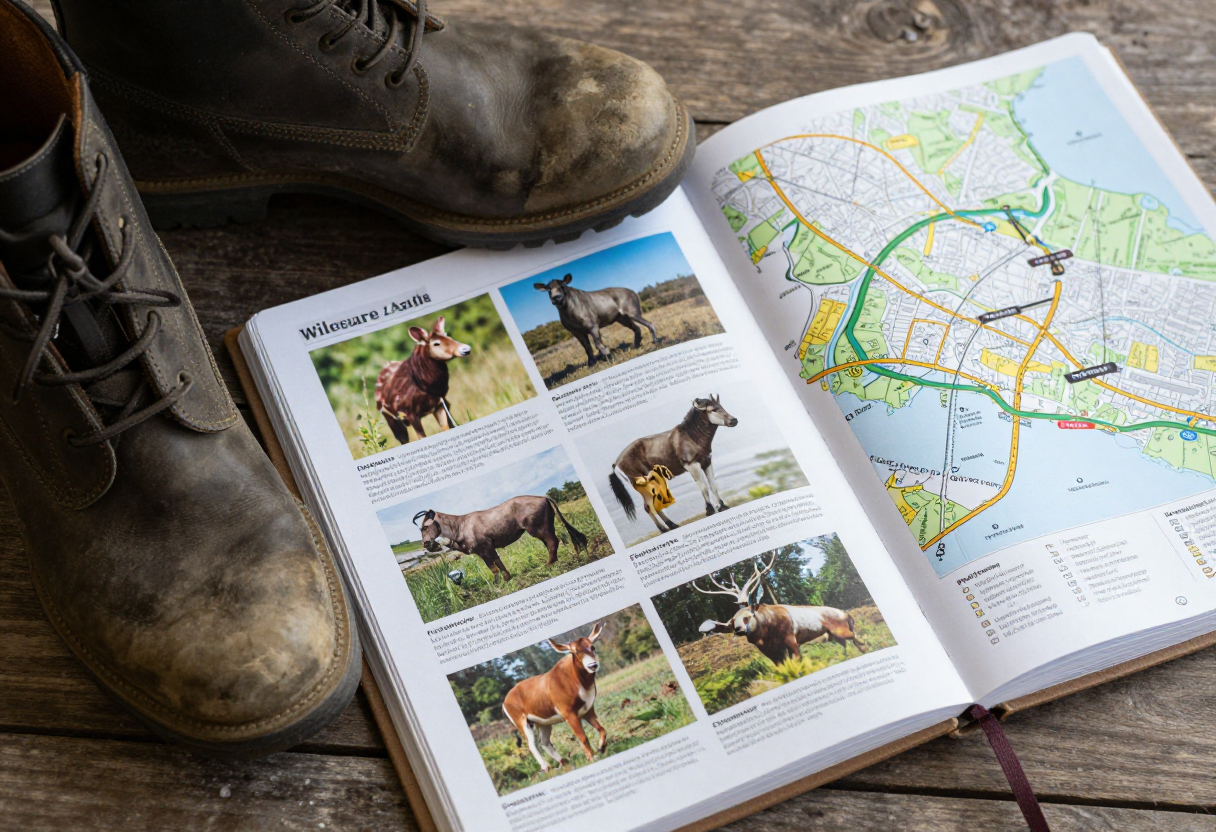
The best way to handle any ambiguity is to stop and check before you act. In my time with the Civil Air Patrol, I learned that "guessing" on safety protocols isn't an option—and it’s the same way I approach land navigation or hunting regulations today. If you aren't 100% sure if a baiting method is legal in your specific spot, don't do it until you find out.
To keep yourself and your reputation safe, follow these steps:
- Identify the Land Ownership: Determine if you are on state land, federal land (like National Forests or BLM), or private property. Each has different rules regarding what can be used for baiting and commercial activity.
- Consult Official Sources: Don't rely on "what the guy at the bait shop said" or a tip from a neighbor. They might have good intentions, but they aren't responsible for your license.
- Check the State Resources Page: Before you head out, visit our State Resources page to find the specific requirements and contact information for your state’s wildlife agency.
When in doubt, it is always better to skip a tactic than to risk a violation that could jeopardize your ability to hunt or fish in the future.
The cost of ignoring the rules
Let's be direct: the consequences of non-compliance aren't just "the cost of doing business." If you are caught violating federal laws regarding baiting, illegal commercial operations, or protected species, the penalties can be severe and immediate. This isn't just a slap on the wrist; it can involve heavy fines that would make any piece of gear seem cheap by comparison.
More importantly, many of these violations are criminal offenses. A conviction can lead to:
- The permanent revocation of your hunting or fishing licenses.
- A criminal record that can affect your employment and personal standing.
- Potential jail time for serious federal violations involving protected species.
It is a high price to pay for a shortcut. At the end of the day, we want to be out there enjoying the outdoors as much as anyone else. Staying within the lines ensures you keep your right to be in those spaces. If you're ever unsure about a specific regulation or bait type, check with your state’s wildlife agency first—it’s the only way to ensure you stay on the right side of the law while pursuing your passion.
If you want to see how these rules apply specifically to your home state, head over to our State Resources page to find the official guides and contact info for your local wildlife agency.
Inspired by MeatEater.
About the Author
David Rodgers is the founder and writer behind Country Trailhead — a Marine Corps infantry veteran, Civil Air Patrol colonel, and Eagle Scout based in Oklahoma, drawing on decades of field-tested hunting, fishing, camping, and hiking experience. Read more about David and Country Trailhead →