
Stop Guessing: How to Truly Zero a Precision Rifle
Zeroing a rifle is more than just finding the 'sweet spot.' This guide breaks down how using large sample sizes (like 20 shots) can give you repeatable, verifiable results that hold up when it counts.
Written by David Rodgers — October 5, 2026
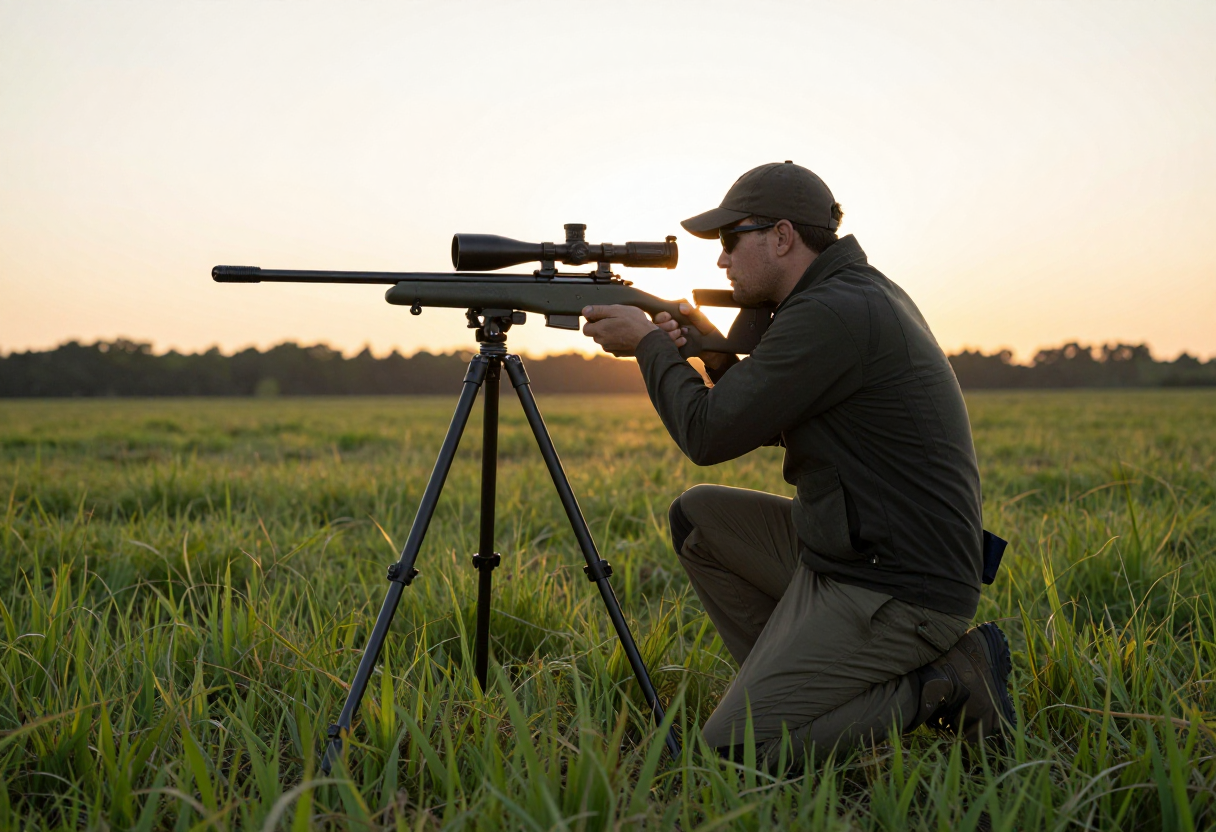
Forget 'Gut Feel': Why Zeroing Needs Data, Not Instinct
When you’re out in the field and something isn't landing where it should, there’s a natural urge to "feel" your way into a correction. You see a shot land slightly left of center, and you instinctively click the turret a few clicks right. This works fine enough for a general hunting zero with some older iron sights, but if you are aiming for precision—whether that's for long-range targets or simply ensuring consistency over time—gut feel is your enemy.
Relying on instinct introduces human error into the equation. Every time you make an adjustment based on a single shot, you are reacting to variables like a slight twitch in your grip, a minor change in your stance, or a momentary lapse in focus. You aren't just correcting the rifle; you’re chasing your own inconsistencies. To get a reliable zero, we have to remove our subjective "feel" from the process and replace it with objective data. A true zero isn't about where one bullet hit; it is about finding the repeatable center of where many bullets land under consistent conditions.
The 20-Shot Method: How Small Sample Sizes Lie to You
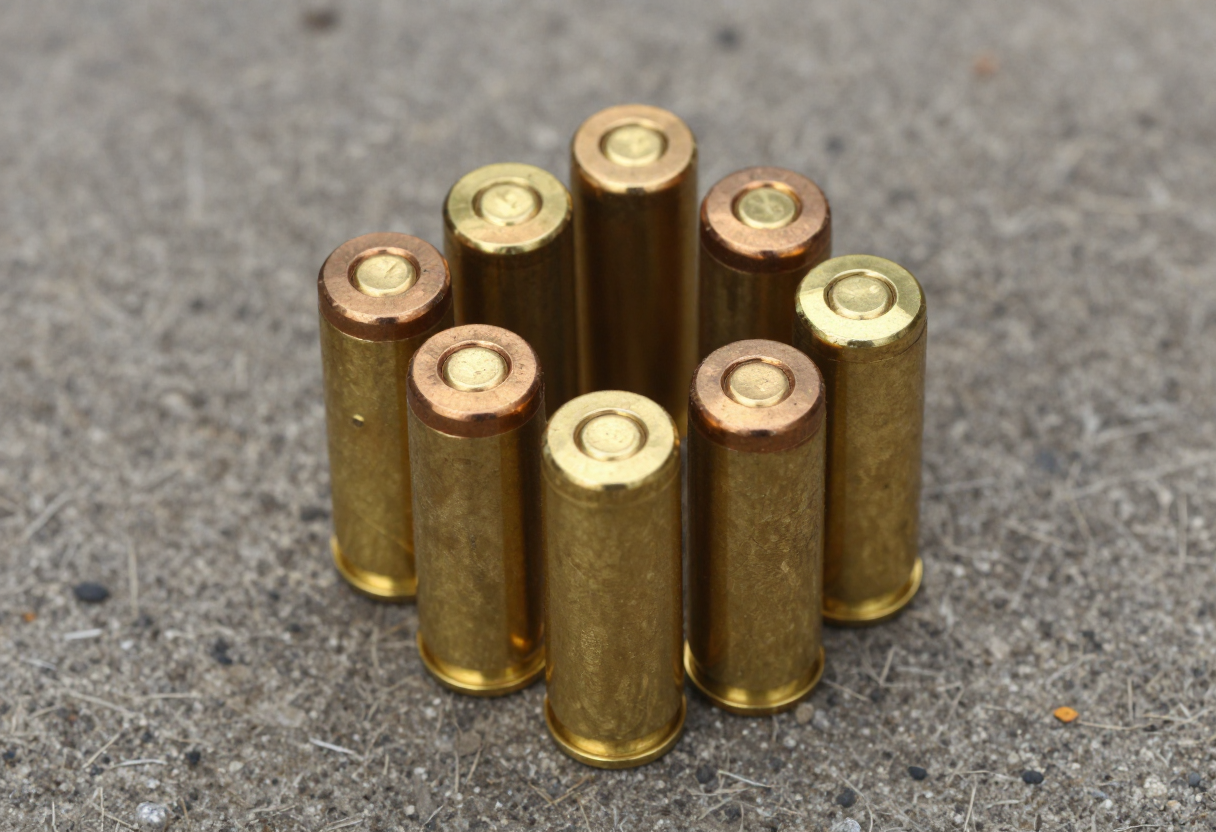
One of the biggest hurdles I see for folks moving into precision shooting is the trap of small sample sizes. Most people will fire five or ten rounds, see a cluster, and call it a day. The problem is that small samples are statistically unreliable. If you fire five shots and one of them is an outlier—perhaps because you shifted your weight slightly or took a deeper breath—that single shot will pull the "average" significantly in one direction. You’ll end up adjusting for a mistake rather than correcting the rifle's true point of impact.
By moving to a 20-shot sequence, we create a much larger data set that smooths out those outliers. In a group of twenty, a single flubbed shot doesn't drastically change the center of the cluster; it just becomes part of the "noise." This gives you a statistically significant look at where the rifle actually wants to go. It allows us to see the truth of the barrel’s path, independent of minor human errors that happen over long periods of time. Consistency is only possible when we have enough data to ignore the noise and focus on the signal.
Setting Up Your Test: Targets, Tools, and Patience
Before you fire a single round, you need to establish a controlled environment. If your stance changes or your ammunition source varies during the test, your data becomes useless. To get a reliable zero, every variable must remain constant. This means using the same box of ammunition, the same rest (if applicable), and maintaining an identical physical position for every shot in the sequence.
You also need a way to record what you see. I recommend using a simple notepad or even a dedicated note-taking app on your phone to log each group of five shots. Instead of just looking at a target and "eyeballing" it, mark the center of each cluster clearly. This systematic approach prevents you from making impulsive adjustments. You aren't trying to hit the bullseye on shot six; you are simply collecting data until you reach your predetermined count. Patience is the primary tool here. It’s easy to get frustrated and want to "fix" it immediately, but a disciplined test requires you to stay the course until the full sample size is collected.
Reading the Groups: Mean Radius vs. Group Spread Analysis
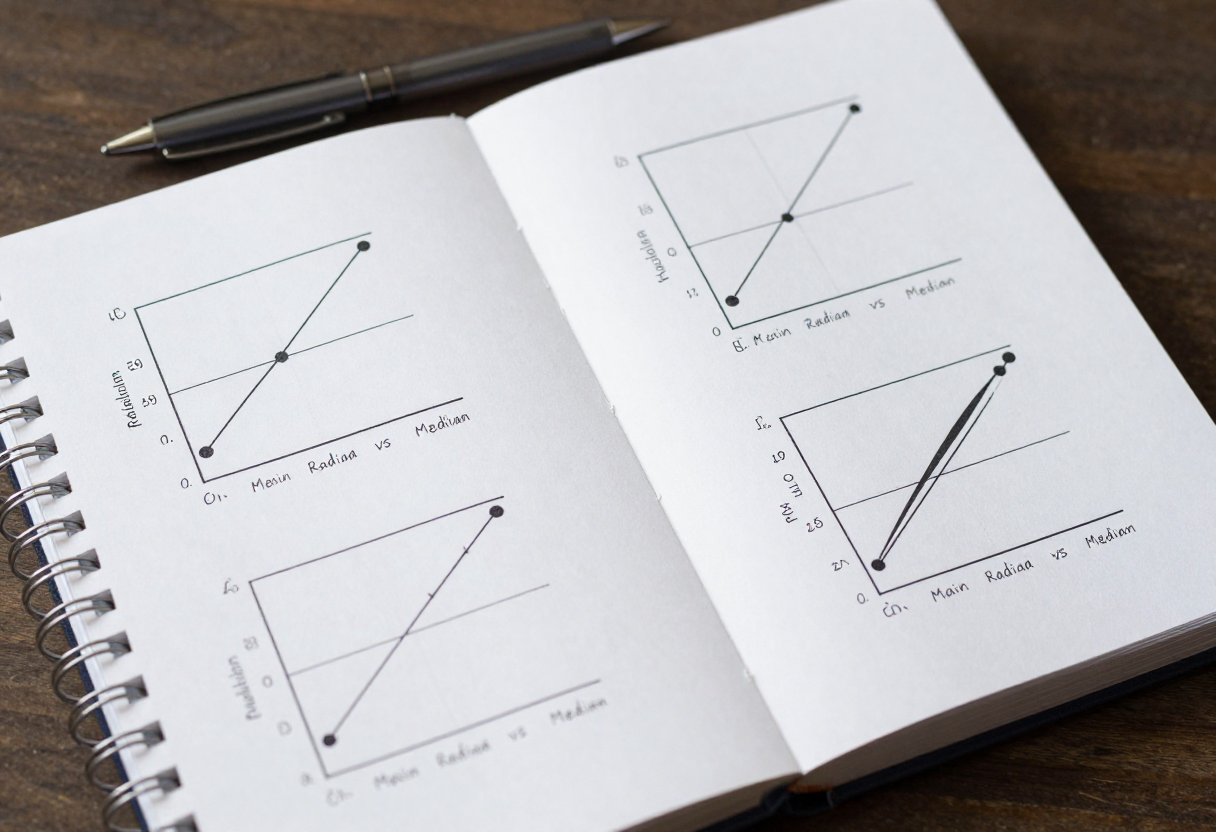
Once you have your data from a 20-shot sequence (ideally broken into four groups of five), you need to analyze how those shots actually landed. Most people look at "group spread"—how wide or tight the cluster is—and try to center it by eye. While group size tells you about your consistency, it doesn't tell you where the center is. To find the true zero, we look at something called Mean Radius (or mean radius of the hits).
Instead of looking at each shot as an individual point that might be "wrong," we look at the cluster as a single geometric shape. By calculating or identifying the center point of these clusters across multiple sets, you can determine where the rifle is consistently aiming. If your groups are tight but centered incorrectly, it's a mechanical issue; if they are wide and centered correctly, it’s a consistency issue. Identifying the "mean" allows you to make adjustments based on the mathematical center of the data rather than your subjective opinion of which shot looked like it was closest to the bullseye.
The Final Step: Adjusting and Verifying Your Zero
Once you have identified the consistent center from your 20-shot data, you can begin making systematic adjustments. Rather than "dialing in" based on a single miss, move your point of impact toward that calculated mean. I recommend moving in small, predictable increments—such as half or full MOA (Minutes of Angle) clicks—rather than large leaps. If the center of your cluster is consistently to the left, adjust right until the next set of shots centers over your target.
After you have made these adjustments based on your data, you must verify it. This means firing another set of shots to ensure that the adjustment actually moved the point of impact as expected. A true zero isn't a one-time event; it’s an iterative process. Once you confirm your rifle is hitting where you want it to at your primary distance, you should still check for consistency at secondary ranges if applicable. When navigating these procedures on public land or at organized ranges, always consult your state's official wildlife agency resources to ensure you are following all local regulations and safety protocols regarding firearm use and range boundaries.
Inspired by Outdoor Life.
About the Author
David Rodgers is the founder and writer behind Country Trailhead — a Marine Corps infantry veteran, Civil Air Patrol colonel, and Eagle Scout based in Oklahoma, drawing on decades of field-tested hunting, fishing, camping, and hiking experience. Read more about David and Country Trailhead →