Don't Buy a Hunting Bow Until You Read This Guide
Buying high-end hunting gear is overwhelming. We break down what really matters—from draw weight and sight calibration to optical clarity—so you can make a decision that works in the field, not just on paper.
Written by David Rodgers — October 4, 2026
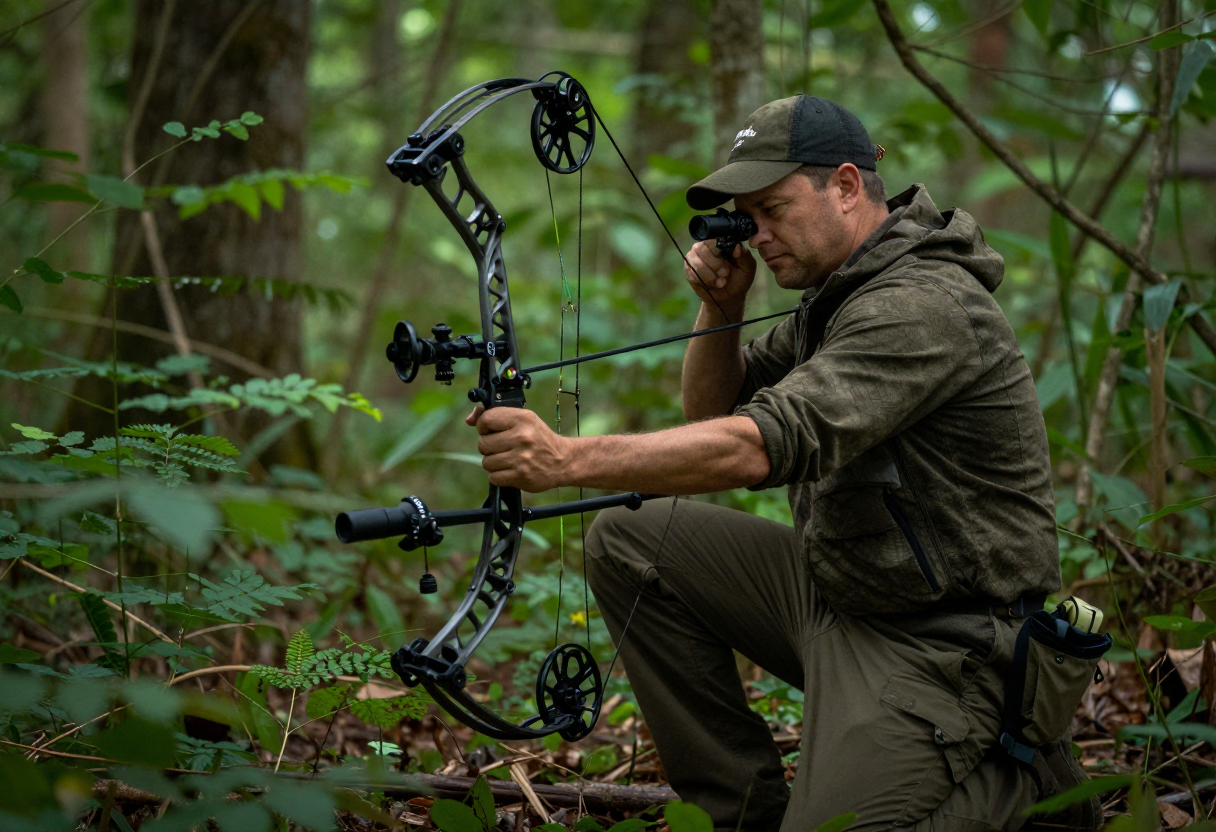
The biggest mistake in buying gear is thinking 'more features' equals better performance.
I see this happen all the time with folks getting into archery. They go into a shop or browse online and look for the most high-tech, feature-heavy bow available because they think it will make them a better hunter. In reality, a piece of equipment only performs well if it’s reliable, simple enough to master, and suited specifically to your physical build and hunting environment.
A "feature" that you don't know how to use or maintain is just extra weight in your pack. For example, a complex electronic adjustment system on a sight might seem like an upgrade, but if you can’t troubleshoot it when it fails in the field, it becomes a liability. I prefer gear that does its job consistently without requiring a manual to figure out why it stopped working halfway through a hunt. Before spending a dime, decide what your specific goals are. Are you hunting in dense timber or over open fields? Your environment should dictate your features, not a marketing brochure. Stick to the basics first; once you’ve mastered those, then you can start looking at "extras."
Understanding Bows: Draw weight, draw length, and compound vs. recurve.
Choosing a bow isn't about picking a brand; it’s about matching physics to your own body. There are two primary metrics you need to understand before buying anything: draw weight and draw length.
Draw weight is how much force (measured in pounds) is required to pull the string back. Draw length is the distance from the string's starting point to where you naturally hold it. If a bow’s draw length doesn't match your physical reach, you won't be able to hold steady for long periods, and your accuracy will suffer regardless of how "high-tech" the bow is.
When choosing between types:
- Compound Bows: These use a system of cams and cables to make holding at full draw much easier. They are the standard for modern hunting because they allow for great precision and are generally more forgiving for beginners regarding hold times.
- Recurve Bows: These are traditional designs where the limbs curve away from the archer. While some enjoy the "purist" feel, they require significantly more physical endurance to hold at full draw compared to a compound bow.
Unless you have a specific reason to go with a recurve for tradition or training purposes, a modern compound bow is usually the most practical entry point for most hunters today.
Optics Deep Dive: Scope choice isn't just about magnification.
It’s a common mistake to think that "more zoom" equals a better scope. While high magnification can be useful, it often makes it harder to track a moving target or find your point of aim quickly in the woods. When you are looking at scopes for archery, you need to balance three specific factors:
- Glass Quality: This determines how much light actually gets into your eye and how clear the image is. High-quality glass means better visibility in low-light conditions, which is when most hunting happens.
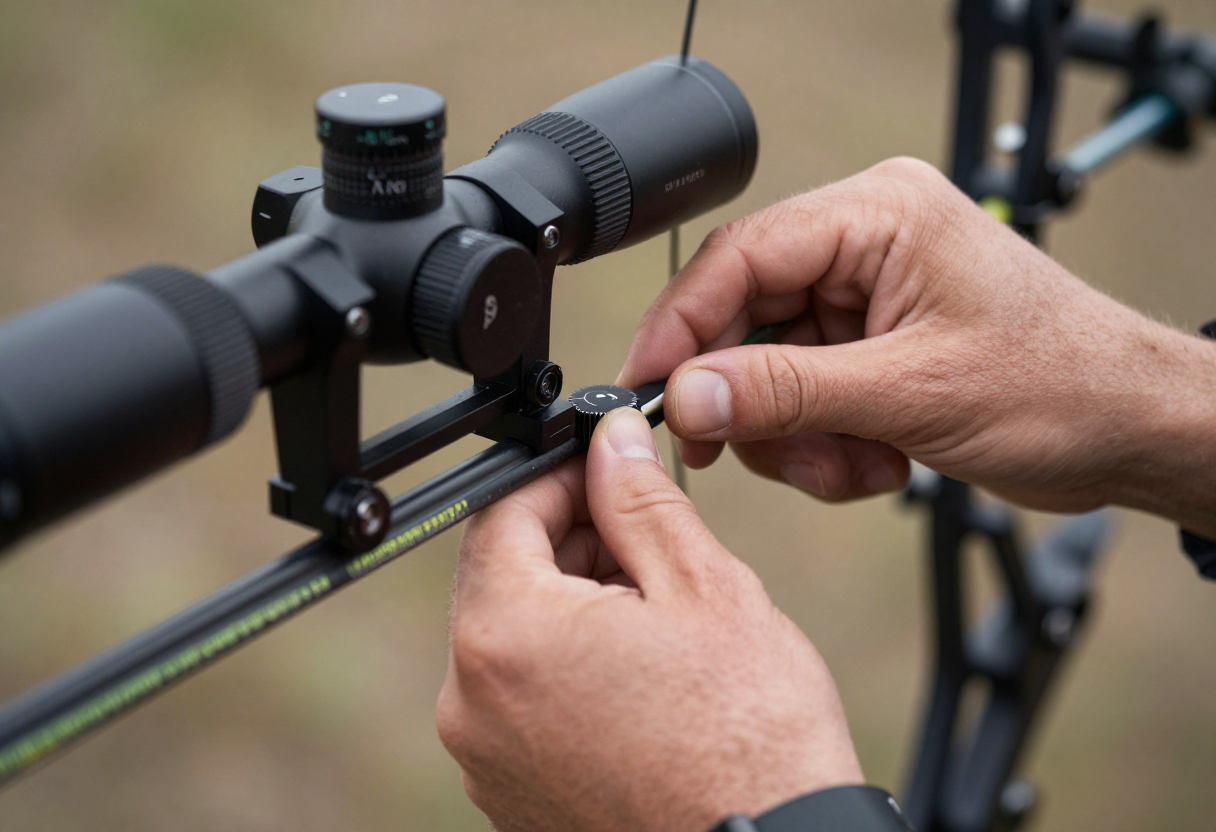
- Turrets: These are the knobs you use to adjust for windage and elevation. You want turrets that move smoothly and hold their position. If a turret feels "gritty" or skips, it’s going to be a headache in the field.
- Parallax and Field of View: A scope with a wide enough field of view allows you to keep both eyes open (if using a peep sight) or at least move your head less to track an animal.
For most hunters, a fixed-magnification scope is often more practical than a variable one because it’s lighter and easier to master quickly. Don't let the "variable power" marketing distract you from what matters: clear glass that lets you see clearly in the dim light of dusk.
Accessories that actually matter: Stabilizers, quiver management, and backplates.
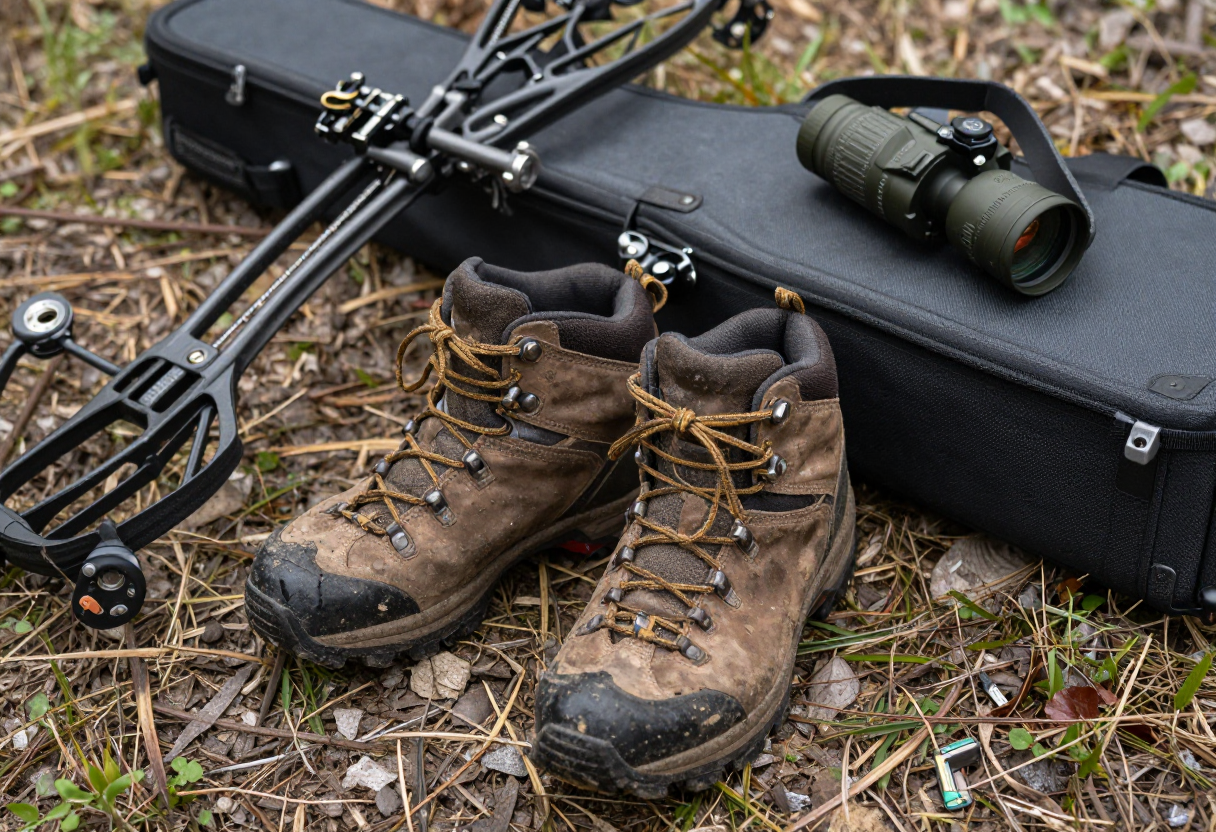
Some accessories are just for show; others are essential for safety and accuracy. You should focus your budget on things that fundamentally change how the bow performs or how safely you can operate it.
- Stabilizers: These aren't "extras." They balance the bow by extending its weight forward and to the sides, which helps dampen vibration and keeps the bow steady during your draw. A well-balanced bow is much easier to master than one that feels "twitchy."
- Quiver Management: Whether you use a backpack quiver or a side-mount, it needs to be accessible without interfering with your form. You want to be able to grab an arrow quickly and safely without reaching into a bag of junk.
- Backplates/Mounts: If you are mounting a sight or stabilizer, ensure the hardware is sturdy. Any "wiggle" in the mount will translate directly into missed shots at distance.
Additionally, don't overlook your arrows and broadheads. A high-end bow with cheap, inconsistent arrows won't fly straight. Ensure your projectiles are consistent before you ever head into the woods.
Putting it all together: Building a reliable kit for the woods.
The final step in building your setup isn't buying the last piece of gear—it’s testing everything as a complete system. A new bow is not "ready" just because it came out of the box. You need to spend time at a range or a local field and go through a rigorous tuning process. This means checking your arrow weights, ensuring your sight is zeroed for your specific broadheads, and getting comfortable with the weight of the full setup (bow, stabilizer, and quiver).
Maintenance is just as important as initial selection. You need to know how to tighten loose bolts, adjust your sights, and keep your optics clean. A piece of gear that you can't maintain in a trucked-out camp isn't a reliable tool.
When it comes to the legal side of things—such as specific arrow weights or broadhead requirements—these vary significantly by state. Always check your state’s official wildlife agency website (the State Resources page on our site is a good place to start) before heading out, as they will have the definitive word on what's permitted in your local area.
Inspired by Outdoor Life.
About the Author
David Rodgers is the founder and writer behind Country Trailhead — a Marine Corps infantry veteran, Civil Air Patrol colonel, and Eagle Scout based in Oklahoma, drawing on decades of field-tested hunting, fishing, camping, and hiking experience. Read more about David and Country Trailhead →